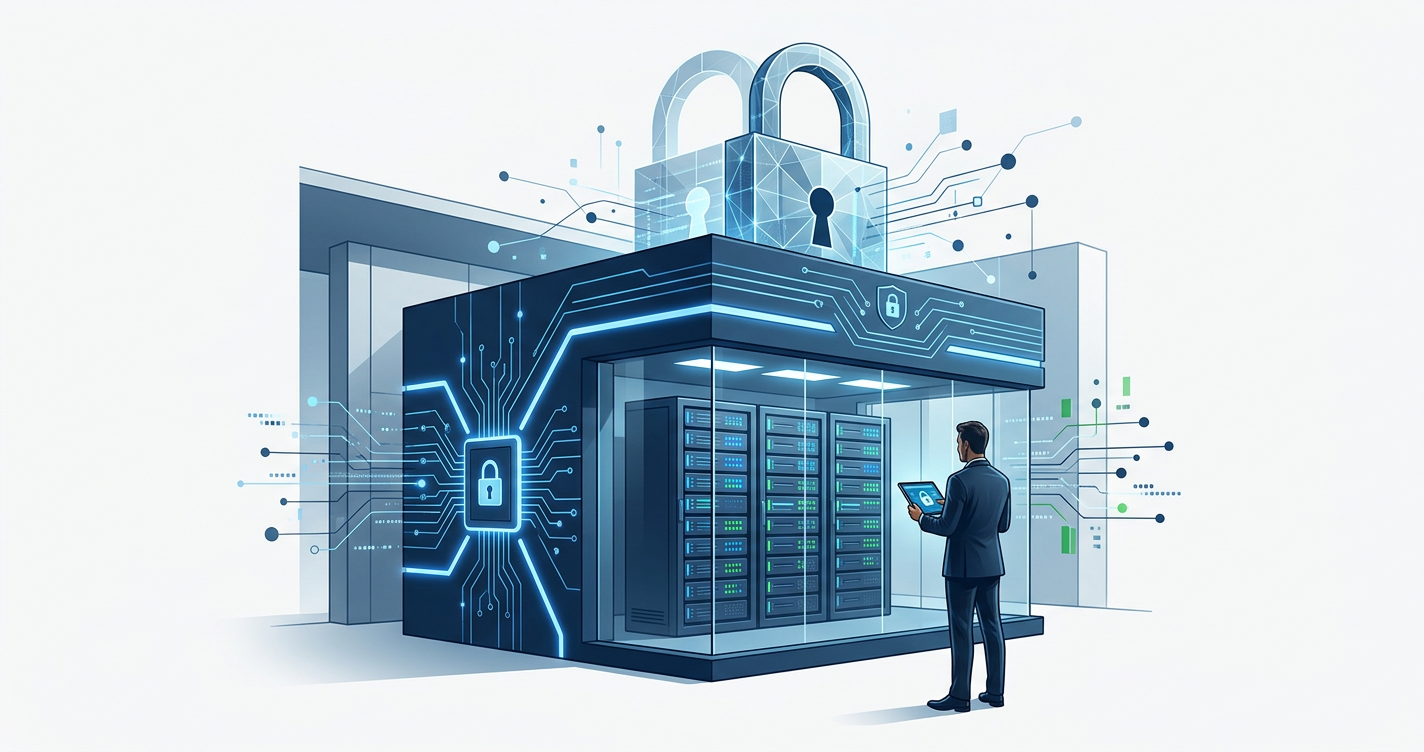
In a constantly evolving digital landscape, client data protection has become a strategic priority and a major investment challenge. Data Privacy Vaults 2026 are emerging as the next generation of solutions to secure sensitive information, offering an impenetrable fortress against growing threats and regulatory requirements. This article explores the mechanisms and investment opportunities they represent.
Data Privacy Vaults 2026 are advanced security systems that isolate and protect sensitive data using techniques such as tokenization and Confidential Computing 2026. They ensure regulatory compliance (GDPR 2.0), reduce the risk of breaches, and offer operational and competitive advantages, creating significant alternative investment opportunities in sensitive data protection.
Data Privacy Vaults 2026: The Alpha Client Data Fortress
1. The Imperative of Data Protection: Why Vaults Are Essential
The proliferation of data and the intensification of cyberattacks have rendered traditional information security approaches obsolete. In 2023, the average cost of a data breach reached a record $4.45 million. Companies are desperately seeking solutions that can not only protect but also proactively manage the compliance of sensitive data. Regulations such as GDPR and CCPA have imposed strict standards, and the anticipation of a "GDPR 2.0" with even higher requirements underscores the need for robust security infrastructure. Data Privacy Vaults 2026 address this need by providing an isolated and highly secure environment for personal and financial data, thereby minimizing the attack surface and ensuring data sovereignty. For investors, understanding this evolution is crucial for identifying growth opportunities.
2. What is a Data Privacy Vault and How Does It Work?
A Data Privacy Vault is a system dedicated to isolating and protecting Personally Identifiable Information (PII) and other sensitive data. Unlike traditional databases, which store data directly with applications, the vault separates, secures, and makes them accessible only via non-sensitive identifiers or tokens.
2.1. Key Technologies at the Heart of Vaults
- Tokenization and Anonymization: Sensitive information is replaced by meaningless tokens. If a breach occurs, only the tokens are compromised, rendering the original data unreadable and unusable.
- Advanced Encryption: All data stored in the vault is encrypted at rest and in transit, often with state-of-the-art cryptographic algorithms.
- Confidential Computing 2026: This emerging technology allows computations to be performed on encrypted data without ever decrypting it, even in memory. This is a major advance for Alpha Cloud security and sensitive data processing.
- Granular Access Controls: Strict policies define who can access what data and under what conditions, often via advanced Identity and Access Management (IAM) systems. These mechanisms ensure that even if a company's main network is compromised, critical data in the vault remains protected.
3. Strategic and Operational Advantages of Data Privacy Vaults
The adoption of Data Privacy Vaults goes beyond mere compliance; it provides substantial strategic advantages.
- Enhanced Compliance: They simplify GDPR 2.0 compliance and other regulations by centralizing sensitive data management and applying consistent protection policies.
- Risk Reduction: By isolating data, the risk of breaches is significantly reduced. A company can thus avoid costly fines, reputational damage, and loss of client trust.
- Cost Optimization: Fewer systems would directly handle sensitive data, which can simplify security audits and reduce incident-related costs.
- Secure Innovation: Data Privacy Vaults allow companies to innovate with their data (e.g., using AI for analytics) without exposing raw information, thanks in particular to Confidential Computing. For investors targeting cutting-edge technologies, this point is crucial. To learn more about AI and security integration, you can consult our article on Cyberinsurance 2.0 2026.
4. Investment Opportunities in Data Security 2026
The market for sensitive data protection solutions is growing rapidly. According to recent estimates, the global data security market is expected to exceed $50 billion by 2028, with a significant Compound Annual Growth Rate (CAGR).
4.1. Promising Sectors and Key Players
- SaaS Solution Providers: Companies offering Data Privacy Vaults "as a Service" are particularly attractive, providing scalability and ease of integration.
- Confidential Computing Developers: Pioneers in the field of Confidential Computing 2026 represent a major investment opportunity, as this technology is at the heart of the next generation of data security.
- Consulting and Integration: Firms specializing in the implementation and integration of these solutions for large enterprises.
- Innovative Startups: Young companies developing novel approaches in tokenization, anonymization, and privacy management. At Alpha Invest & Securities, we actively identify companies that are revolutionizing the cybersecurity sector. We specialize in alternative investment offerings in areas such as AI, Biotech, Crypto, and Private Equity. Feel free to Discover our alternative investment offerings to see how we can support you.
5. Future Outlook: Towards Proactive Digital Trust Management
Data Privacy Vaults are not a one-time solution but a fundamental pillar of a long-term digital trust management strategy. By 2026, greater integration with Artificial Intelligence technologies is anticipated for proactive threat detection and automation of compliance policies. Companies that invest in these technologies will be best positioned to navigate a future where consumer trust will be the main competitive advantage. The evolution towards data sovereignty and individual autonomy over personal information will further reinforce the value of Data Privacy Vaults, transforming them into an indispensable component of any modern digital infrastructure and a key area for alternative investments.
| Criterion | Investor Benefit | Impact Level |
|---|---|---|
| GDPR 2.0 Compliance | Reduction of legal risks | High |
| Breach Reduction | Reputation protection | Very High |
| Operational Efficiency | Cost optimization | Moderate |
| Secure Innovation | New business models | High |
| Growing Market | Return potential | High |
- Ignoring integration complexity: Underestimating the time and resources required for effective integration of a Data Privacy Vault into the company's existing architecture.
- Focusing solely on compliance: Failing to see vaults as a strategic advantage in terms of client trust and innovation, but only as a cost of compliance.
- Neglecting staff training: A technological solution, however advanced, is ineffective if teams are not trained in its use and new data management policies.
- Assess Sensitive Data Exposure: Conduct an audit of the types and volumes of sensitive data held by portfolio companies.
- Seek Technology Leaders: Identify pioneering companies in Data Privacy Vaults and Confidential Computing 2026 solutions.
- Analyze Regulatory Trends: Stay informed of developments in GDPR 2.0 and other sensitive data protection laws to anticipate market needs.
- Consult Alternative Investment Experts: Schedule an appointment with our team to discuss specific opportunities in this growing sector.
- IBM | https://newsroom.ibm.com/2023-07-24-IBM-Report-Cost-of-a-Data-Breach-Rises-to-All-Time-High-4-45-Million
- Statista | https://www.statista.com/statistics/1367469/data-security-market-size-worldwide/
Are Data Privacy Vaults only for large companies? No. While large companies with significant volumes of sensitive data have been early adopters, "as a Service" solutions make Data Privacy Vaults accessible and affordable for SMEs wishing to strengthen their sensitive data protection and compliance. How do Data Privacy Vaults differ from a simple encrypted database? A Data Privacy Vault goes beyond simple encryption. It isolates sensitive data in a dedicated environment, uses tokenization to replace real data with non-sensitive substitutes, and applies very granular access controls. Moreover, it often integrates Confidential Computing 2026 capabilities for secure processing. What is the impact of Data Privacy Vaults on application performance? Data Privacy Vaults are designed to minimize performance impact. Tokenization, for example, is a fast process. Furthermore, by isolating data, they can simplify other aspects of security, potentially improving overall system resilience.
✨ Created with SEO Magic AI — Automated SEO Content Generation